2 minutes reading time
Barbell Reverse Lunge
Intermediate
Equipment
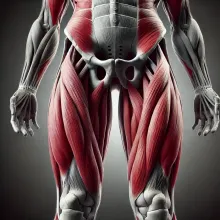
Quads
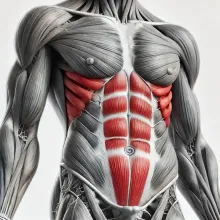
Abs
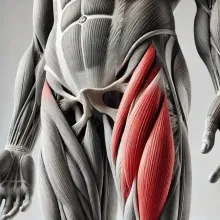
Adductors
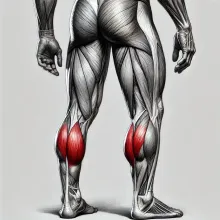
Calves
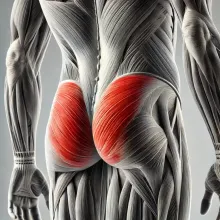
Glutes
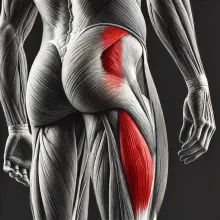
Hamstrings
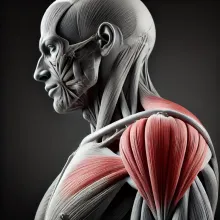
Shoulders
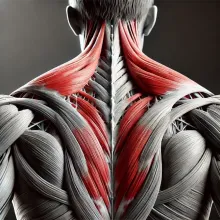
Traps
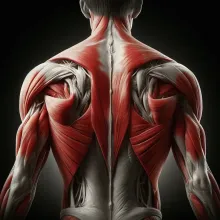
Upper Back
Equipment
Barbell
Exercise Type
Strength
Mechanics
Compound
Force Type
Push (Unilateral)
The barbell reverse lunge is a powerful single-leg exercise that emphasizes quad strength, glute activation, and core stability. Unlike the forward lunge, the reverse lunge typically places less stress on the knees and can be more beginner-friendly while still delivering an intense lower body challenge. Using a barbell allows for greater load than dumbbell or bodyweight variations, making it an excellent choice for hypertrophy and strength development.
Key Benefits:
- Builds unilateral leg strength and improves muscular balance
- Targets quads, glutes, and hamstrings effectively
- Places less strain on the knees compared to forward lunges
- Improves balance, coordination, and core control
- Allows progressive overload using a barbell
- Set up with your feet shoulder-width apart and a barbell resting across your upper traps.
- Step backward with one leg while bending both knees simultaneously.
- Lower your body until your back knee gently touches the floor and your front thigh is parallel to the ground.
- Push through the heel of the front foot to return to the starting position.
- Repeat the movement on the opposite leg.
- Continue alternating or complete all reps on one leg before switching sides.
- Maintain an upright torso and avoid leaning forward or arching your back excessively.
- Both legs should form 90-degree angles at the bottom of the movement.
- For more quad emphasis, take a shorter step and push through the ball of the foot.
- To target glutes and hamstrings, step farther back and push through the heel.
- Start with bodyweight or dumbbells before progressing to a barbell for better balance and form mastery.
- Focus on keeping the bar stable and your core braced throughout the movement.
🔥 Great for building bulletproof legs, fixing imbalances, and progressing into advanced single-leg movements.
Gym Mates
Explore by Muscle


