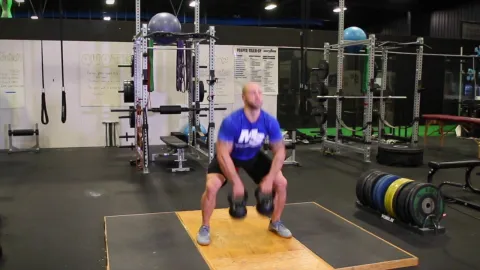
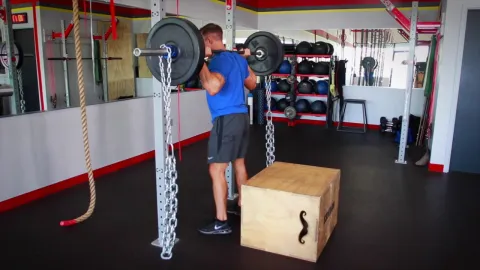
Barbell Hack Squat
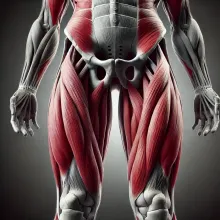
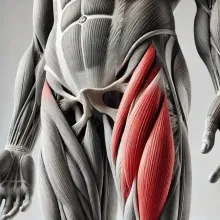
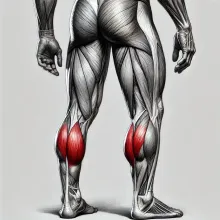
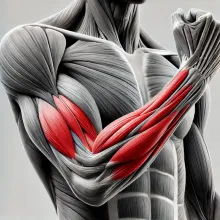
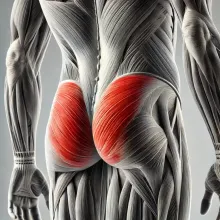
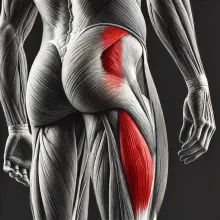
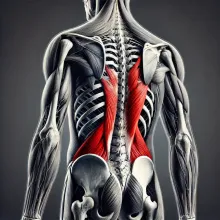
The barbell hack squat is a highly effective, yet underutilized compound movement that emphasizes quadriceps hypertrophy through unique biomechanical loading. Often dubbed the “reverse deadlift,” this exercise places the barbell behind the body, shifting the resistance anteriorly relative to the center of mass—thereby increasing the mechanical demand on the quads. In addition to the quadriceps, this movement activates the gluteus maximus, hamstrings (isometrically), erector spinae, and core musculature. Its execution demands precision and mobility, making it a potent tool for both hypertrophy and motor pattern development in lower body training programs.
Key Benefits:
- Maximizes quadriceps activation through posterior loading and upright torso alignment
- Minimizes spinal shear forces compared to traditional deadlifts
- Enhances knee extension strength and functional carryover to athletic tasks
- Stimulates hypertrophy across multiple lower body muscle groups simultaneously
- Improves posterior chain coordination and proprioception
- Position a loaded barbell just behind your calves with a shoulder-width stance and feet flat on the floor.
- Hinge at the hips, bend the knees, and grasp the bar using a double overhand (pronated) grip.
- Adjust your torso into a more vertical position than a conventional deadlift while maintaining a neutral spine.
- Brace your core, inhale, and initiate the lift by driving through your entire foot—extending the knees and hips simultaneously.
- At the top, fully extend without hyperextending the lumbar spine. Reverse the movement by controlling the descent and maintaining tension.
- Repeat for the prescribed number of repetitions, ensuring consistency in form.
- If dorsiflexion or hamstring flexibility limits upright posture, elevate your heels using weight plates or a slant board.
- Avoid excessively wide foot placement; this increases bar travel distance and compromises mechanical efficiency.
- Apply force through all three foot contact points (tripod foot: big toe, little toe, heel) to maximize force transfer and joint stability.
- Allow for natural forward knee translation, especially if you have longer femurs, but monitor for valgus or varus collapse.
- If the bar collides with your hamstrings or glutes, you’re likely hinging excessively. Prioritize knee-forward mechanics to isolate the quads.
- Experiment with head positioning. Most lifters benefit from a neutral cervical spine, though some may prefer a fixed gaze for stability and proprioceptive feedback.
- Ensure knee tracking remains aligned with the second toe—avoid excessive abduction or adduction of the knees.
🔥 The barbell hack squat is a biomechanically intelligent alternative to quad-focused machines or front squats. When executed properly, it can be one of the most quad-dominant movements in your arsenal, providing significant stimulus for growth and performance.
Gym Mates