2 minutes reading time
Band: Tensioned Back Squat
Advanced
Equipment
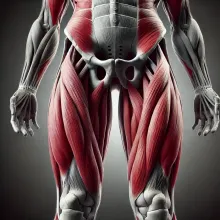
Quads
Quads
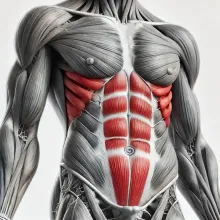
Abs
Abs
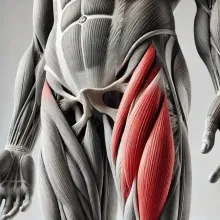
Adductors
Adductors
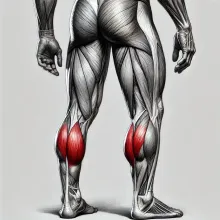
Calves
Calves
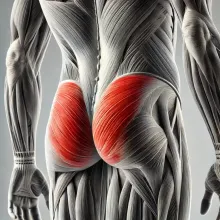
Glutes
Glutes
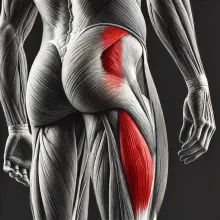
Hamstrings
Hamstrings
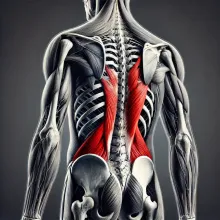
Lower Back
Lower Back
Equipment
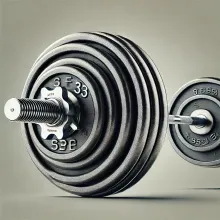
Barbell
Barbell
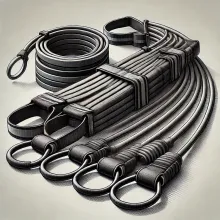
Bands
Bands
Exercise Type
Strength
Mechanics
Compound
Force Type
Push (Bilateral)
The Resisted Back Squat is a powerful lower body exercise that blends traditional squatting with dynamic band resistance. As the band stretches during the ascent, it increases the load gradually, challenging your legs, glutes, and core more effectively at the top of the movement.
This variation is ideal for lifters aiming to push past plateaus, especially if they struggle in the final phase of the squat. It helps develop explosive strength, enhances lockout power, and improves overall squat mechanics.
Key Benefits:
- Increases tension through the full range of motion
- Reinforces strong hip and knee extension
- Great for developing speed and power in the squat
- Helps address weaknesses in the upper portion of the lift
- Improves control and stability under load
- Set the squat rack so that the barbell sits just under shoulder height.
- Secure resistance bands to the base of the rack and loop them tightly around each end of the bar.
- Grip the bar just outside shoulder-width, setting your pinkies near the ring markings.
- Step under the bar, resting it across your rear delts (high or low bar depending on preference).
- Unrack the bar carefully and take 2–3 steps back, setting your feet shoulder-width apart.
- Inhale deeply, brace your core, and align your elbows with your sides.
- Initiate the squat by pushing your hips back and bending your knees together.
- Lower yourself until your thighs are parallel to the ground or deeper if mobility allows.
- Drive up through your entire foot, pushing evenly from heel to toe.
- Extend your hips and knees forcefully while exhaling, returning to the top.
- 🦶 Find your ideal toe angle—comfort and stability matter most.
- 🧠 Imagine "bending" the bar down across your traps to stay tight.
- 🤲 Try a thumbless grip if you experience wrist or elbow discomfort.
- 🧍 Push through the full foot: big toe, pinky toe, and heel—stay grounded.
- 🎯 Visualize sitting your hips “down” instead of “back” to stay upright.
- 🚧 Let the knees move forward naturally, as long as they track over your toes.
- 💥 Drive your traps into the bar and engage your lats on the way up.
- 🧠 Keep your neck in a comfortable position—neutral or slightly forward-facing, depending on what feels best.
- 🔧 A low bar position will require more hip engagement and forward lean—this is normal and useful for posterior chain activation.
- 🎯 Keep the knees aligned with or slightly outside your second toe—don’t let them cave in or drift too far out.
💪 The Resisted Back Squat is a game-changer for building strength, breaking plateaus, and improving squat mechanics. Add it to your program and feel the power surge with every rep! 🚀
Gym Mates


Explore by Muscle


