2 minutes reading time
American Deadlift
Intermediate
Equipment
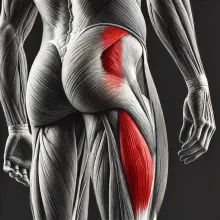
Hamstrings
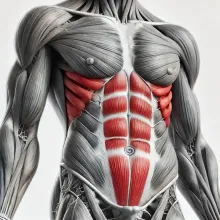
Abs
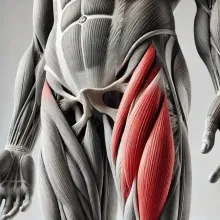
Adductors
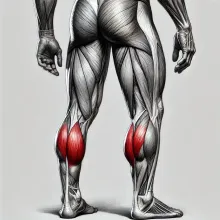
Calves
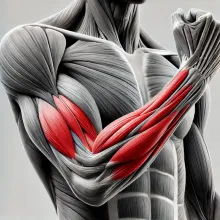
Forearms
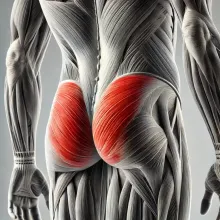
Glutes
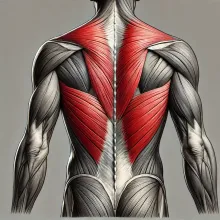
Lats
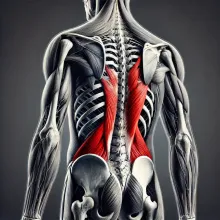
Lower Back
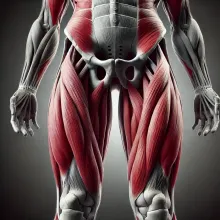
Quads

Traps
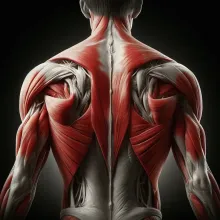
Upper Back
Equipment
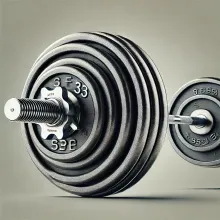
Barbell
Exercise Type
Strength
Mechanics
Compound
Force Type
Hinge (Bilateral)
The American Deadlift is a variation of the conventional deadlift designed to primarily target the posterior chain, especially the hamstrings and glutes. The focus is on maintaining a neutral spine throughout the movement, allowing for more hip extension and glute engagement at the top of the lift. This exercise differs from other straight-legged deadlifts by allowing a more controlled and neutral spinal position while still loading the hamstrings and glutes effectively.
Key Benefits:
- Builds strength in the hamstrings, glutes, and lower back
- Promotes hip mobility and posterior chain development
- Focuses on glute contraction at the top of the movement
- Maintains a neutral spine for better back safety
- Ideal for improving deadlift lockout and hip thrust power
- Set a barbell at just below hip height and load the desired weight.
- Hinge slightly forward, grasping the bar with a double overhand grip, shoulder-width apart.
- Stand up by extending your hips and knees, then take two steps back from the rack.
- Unlock your knees, push your hips back, and hinge forward until the bar reaches just below your kneecaps.
- Drive through the whole foot, focusing on pushing the floor away.
- At the top, squeeze your glutes and tilt your pelvis slightly to fully lock out the hips.
- Reverse the movement by pushing your hips back and hinging forward.
- Return the bar to the floor, reset, and repeat for the desired number of reps.
- Keep the bar as close to your body as possible throughout the lift—don’t let it drift forward.
- If you’re familiar with powerlifting, these are sometimes called “Dimel deadlifts.”
- As Bret Contreras puts it, think of the American deadlift as a glute-centric Romanian Deadlift (RDL).
- Maintain soft knees—ensure most of the movement occurs at the hips, not the spine. Avoid arching your back.
- The neck position varies depending on your body type—try keeping your chin tucked if you're more extended (athletic build), or slightly look up if you tend to be flexion dominant. Experiment to see what works best.
- Don’t worry about retracting your shoulder blades—this isn’t necessary for the deadlift movement.
- Wrap your thumbs around the bar and avoid using a false grip—grip it as tightly as you can, as if trying to leave an imprint of your fingerprints.
- Shift the weight toward your heels during the hip hinge, but don’t allow your heels to come off the ground.
- Drive through the whole foot, not just the heels. Think about maintaining 3 points of contact: big toe, little toe, and heel.
- Keep the elbows locked out. Don’t flex your triceps, but ensure the elbows remain neutral.
💪 The American Deadlift is a fantastic exercise for targeting the posterior chain and improving overall deadlift strength. Focus on proper form and control to get the most out of each rep. 🚀
Gym Mates
Explore by Muscle


